
Johnny Yong Bosch

Johnny Yong Bosch’s Journey from Power Rangers to Anime Icon
Few careers in American entertainment have crossed as many boundaries as Johnny Yong Bosch’s. Born John Jay Bosch on January 6, 1976, in Kansas City, Missouri, and raised in Garland, Texas, his path into the spotlight began not in a recording booth but in a dojo. The son of an American father of German-Irish descent and a South Korean mother, he grew up navigating dual cultural identities while channeling his energy into martial arts – first inspired by Bruce Lee and Jackie Chan, then honed through competition wins that caught the attention of his sensei. That instructor connected him to an audition that would change everything: the role of Adam Park, the second Black Ranger, in Mighty Morphin Power Rangers. The year was 1994, and Bosch was 18.
What followed was three and a half seasons across the Power Rangers franchise – from Black Ranger to Green Zeo Ranger to the first Green Turbo Ranger – plus two theatrical films and later guest appearances. But live-action television was only chapter one. The transition into voice acting came through Trigun, where Bosch gave life to Vash the Stampede, the deceptively cheerful gunslinger with a bounty on his head. That performance established the tonal range that would define his career: humor and heaviness folded into the same breath. Studios took notice, and the anime dub world gained one of its most relied-upon leads.
Bleach, Code Geass, and the Defining Decade
The mid-2000s turned Bosch into a fixture on Adult Swim and beyond. His performance as Ichigo Kurosaki in Bleach – the hot-headed substitute Soul Reaper driving one of the most-watched anime of its generation – ran for years and became the benchmark performance he is most associated with. Almost simultaneously, he brought the calculating revolutionary Lelouch vi Britannia to life in Code Geass, a role requiring an entirely different energy: cold intelligence, theatrical villainy, and an undercurrent of grief. Playing both at the same time demonstrated a discipline few voice actors sustain under that kind of schedule. His work on those two shows alone would have secured his standing in the industry.
The momentum carried across genres and platforms. In Durarara!!, he voiced Izaya Orihara, the gleefully manipulative information broker whose motives were never quite what they seemed. In Eureka Seven, he played Renton Thurston, a teenager finding himself in a world too large for the life he was given. Each role leaned on something different – spontaneity, menace, longing – and each landed. By the time the decade closed, Bosch had appeared in more flagship anime than almost any other English dub performer of his generation.
The Persona 4 Duality and Video Game Stardom
When Atlus brought Persona 4 to Western audiences, Bosch was cast as both protagonist Yu Narukami and the game’s eventual antagonist, Tohru Adachi. Playing lead and villain in the same title – and keeping both distinct across the game, its anime adaptation, and multiple spin-offs – required a kind of internal discipline that doesn’t often get discussed. The performance earned consistent praise from players who knew both characters inside and out, and cemented his credibility in video game voice acting beyond any single franchise.
His gaming resume reads like a roll call of beloved action properties. Nero in Devil May Cry 4 and Devil May Cry 5 – including motion capture work done in Japan – gave him physical as well as vocal presence in that series. Zero in Marvel vs. Capcom 3, Yang in Super Street Fighter IV, Firion in Dissidia Final Fantasy, Kung Jin in Mortal Kombat X, Iron Fist in Marvel Ultimate Alliance 3 – each brought him into a different audience’s orbit. He voiced Torian Cadera in Star Wars: The Old Republic and Bumblebee in Transformers: War for Cybertron, showing that genre or IP size was never the limiting factor. The booth work remained consistent whether the project was a cult favorite or a blockbuster release.
Demon Slayer, JoJo’s Bizarre Adventure, and Recent Work
Returning to cornerstone franchises has been a recurring feature of Bosch’s later career. When Aniplex of America dubbed Demon Slayer: Kimetsu no Yaiba in 2019, he was cast as Giyu Tomioka, the stoic Water Hashira whose restrained exterior masks a weight of survivor’s guilt. The casting matched his ability to convey emotional depth beneath stillness. In JoJo’s Bizarre Adventure, he voiced Jonathan Joestar in the Phantom Blood arc – the noble and earnest foundation upon which the entire multi-generational series rests. In 2025, he returned to the Devil May Cry franchise in the anime adaptation, this time voicing Dante Sparda alongside his established role as Nero.
Crunchyroll’s 2023 revival, Trigun Stampede, brought him back to Vash the Stampede – the role that started it all – closing a loop more than two decades in the making. The return was not simply nostalgic. Bosch approached the character as a performer carrying different experiences than the one who first entered that recording booth in the late 1990s, and the newer interpretation reflected that.
Music, Martial Arts, and Life Beyond the Booth
Acting has never been the whole picture. Bosch formed the rock band Eyeshine in 2004, serving as lead vocalist and guitarist through thirteen years of touring, multiple albums, and performances at Warped Tour. The band developed what they called “Edge Rock” – a blend of pop punk and post-grunge – and their 2009 album My Paper Kingdom gave them their widest reach, anchored by the fan favorite track “Alone.” After Eyeshine’s final show at Yama-Con in December 2017, Bosch co-founded Where Giants Fall with former bandmate Polo Yazaki, releasing their debut album in 2021.
Martial arts remained a thread through all of it. His training in Shaolin-style kung fu informed the physicality he brought to both the Power Rangers set and to motion capture work for video games. During the COVID-19 pandemic, he launched Vox Rocket Studio, a film production and sound design company that expanded his creative footprint into producing and audio engineering. Married to Amy Bosch since 2003, with two children, the pace of his output across acting, music, and production represents a work ethic built long before any recording studio door opened.
Johnny Yong Bosch Voices
Video Games
Trails in the Sky 2nd Chapter (2026)
World of Final Fantasy (2026)

Yakuza Kiwami 3 & Dark Ties (2026)
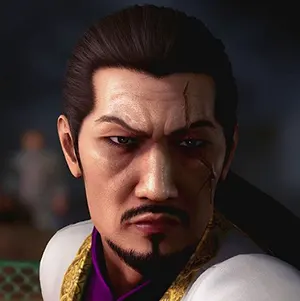
Bleach Rebirth of Souls (2025)
Date Everything! (2025)
Demon Slayer -Kimetsu no Yaiba- The Hinokami Chronicles 2 (2025)
Synduality: Echo of Ada (2025)
Trails in the Sky 1st Chapter (2025)
Ys vs. Trails in the Sky: Alternative Saga (2025)
Demon Slayer -Kimetsu no Yaiba- Sweep the Board! (2024)
Dragon Ball: Sparking! ZERO (2024)
Like a Dragon: Infinite Wealth (2024)
Solo Leveling: ARISE (2024)
Armored Core VI: Fires of Rubicon (2023)
Naruto x Boruto Ultimate Ninja Storm Connections (2023)
The Legend of Heroes: Trails into Reverie (2023)
Demon Slayer -Kimetsu no Yaiba- The Hinokami Chronicles (2021)
Devil May Cry 5 (2020)
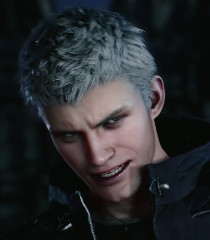
Persona 5: Royal (2020)
The Legend of Heroes: Trails of Cold Steel IV (2020)
Catherine: Full Body (2019)
Marvel Ultimate Alliance 3: The Black Order (2019)
Teppen (2019)
BlazBlue: Cross Tag Battle (2018)
Dissidia Final Fantasy NT (2018)
Dragon Ball FighterZ (2018)
Dragon Ball Legends (2018)
Naruto to Boruto: Shinobi Striker (2018)
Super Smash Bros. Ultimate (2018)
World of Final Fantasy: Maxima (2018)
.hack//G.U.: Last Recode (2017)
Danganronpa V3: Killing Harmony (2017)
Guardians of the Galaxy: The Telltale Series (2017)
Marvel VS Capcom Infinite (2017)
The Legend of Heroes: Trails in the Sky the 3rd (2017)
Dragon Ball Xenoverse 2 (2016)
God Eater 2: Rage Burst (2016)
Naruto Shippuden: Ultimate Ninja Storm 4 (2016)
Yo-kai Watch 2 (2016)
Mortal Kombat X (2015)
Omega Quintet (2015)
Persona 4: Dancing All Night (2015)
The Awakened Fate Ultimatum (2015)
The Legend of Heroes: Trails in the Sky Second Chapter (2015)
Yo-kai Watch (2015)
Ar nosurge: Ode to an Unborn Star (2014)
Atelier Escha and Logy: Alchemists of the Dusk Sky (2014)
Danganronpa 2: Goodbye Despair (2014)
Mugen Souls Z (2014)
Naruto Shippuden: Ultimate Ninja Storm Revolution (2014)
Persona 4 Arena: Ultimax (2014)
Persona Q: Shadow of the Labyrinth (2014)
Power Rangers Super Megaforce (2014)
Tenkai Knights: Brave Battle (2014)
Ultra Street Fighter IV (2014)
Atelier Ayesha: The Alchemist of Dusk (2013)
Dynasty Warriors 8 (2013)
Killer is Dead (2013)
Marvel Heroes (2013)
Naruto Shippuden: Ultimate Ninja Storm 3 (2013)
Power Rangers Megaforce (2013)
Atelier Meruru: The Apprentice of Arland (2012)
Binary Domain (2012)
Mugen Souls (2012)
Naruto Shippuden: Ultimate Ninja Storm Generations (2012)
Persona 4: Arena (2012)
Persona 4: Golden (2012)
Soulcalibur V (2012)
Ar tonelico Qoga: Knell of Ar Ciel (2011)
Atelier Totori: The Adventurer of Arland (2011)
Bleach: Soul Resurreccion (2011)
Catherine (2011)
Dissidia 012 Final Fantasy (2011)
Gods Eater Burst (2011)
Marvel vs. Capcom 3: Fate of Two Worlds (2011)
Naruto Shippuden: Ultimate Ninja Impact (2011)
Star Wars: The Old Republic (2011)
The Legend of Heroes: Trails in the Sky (2011)
Ultimate Marvel vs. Capcom 3 (2011)
Atelier Rorona: The Alchemist of Arland (2010)
Fragile Dreams: Farewell Ruins of the Moon (2010)
Mimana Iyar Chronicle (2010)
Naruto Shippuden: Ultimate Ninja Heroes 3 (2010)
Naruto Shippuden: Ultimate Ninja Storm 2 (2010)
Sakura Wars: So Long, My Love (2010)
Samurai Warriors 3 (2010)
Sengoku Basara: Samurai Heroes (2010)
Super Street Fighter IV (2010)
Transformers: War For Cybertron (2010)
Dissidia Final Fantasy (2009)
Kamen Rider: Dragon Knight (2009)
Magna Carta 2 (2009)
Mana Khemia 2: Fall of Alchemy (2009)
Naruto Shippuden: Clash of Ninja Revolution 3 (2009)
Naruto Shippuden: Legends: Akatsuki Rising (2009)
Naruto Shippuden: Ultimate Ninja 4 (2009)
Rune Factory: Frontier (2009)
Devil May Cry 4 (2008)
Disgaea 3: Absence of Justice (2008)
Eternal Poison (2008)
Naruto: Ninja Destiny (2008)
Naruto: Ultimate Ninja 3 (2008)
Persona 4 (2008)
Summon Night: Twin Age (2008)
Tales of Symphonia: Dawn of the New World (2008)
The Last Remnant (2008)
Time Hollow (2008)
Warriors Orochi 2 (2008)
.hack//G.U. Vol. 2//Reminisce (2007)
.hack//G.U. Vol. 3//Redemption (2007)
Bleach: Shattered Blade (2007)
Eternal Sonata (2007)
Warriors Orochi (2007)
.hack//G.U. Vol. 1//Rebirth (2006)
Baten Kaitos Origins (2006)
Grandia III (2006)
Suikoden V (2006)
Tales of the Abyss (2006)
Valkyrie Profile 2: Silmeria (2006)
Ace Combat 5: The Unsung War (2004)
TV Shows & Series
Trigun Stargaze (2026)
Blue Exorcist: The Blue Night Saga (2025)
Devil May Cry (2025)

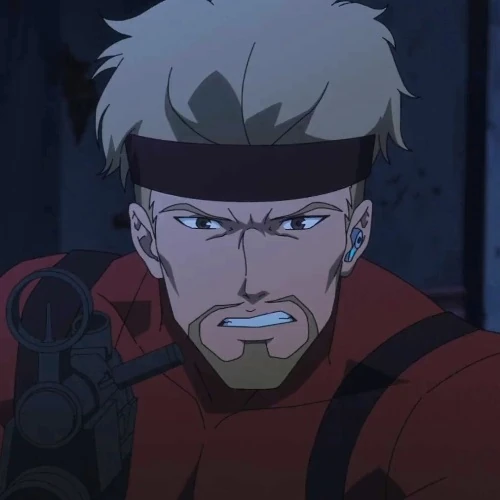

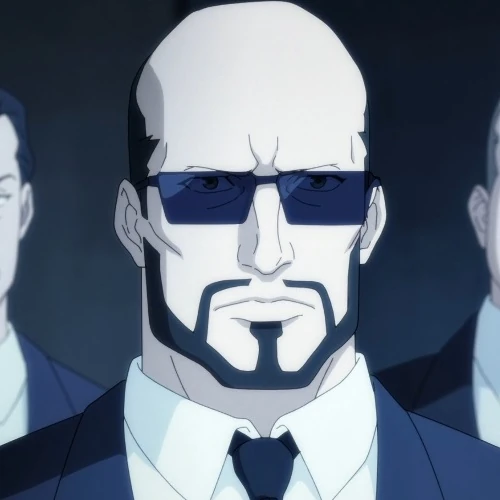

Disney Twisted-Wonderland: The Animation (2025)
Solo Leveling (2025)

Synduality: Noir (2025)
Blue Exorcist: Beyond the Snow Saga (2024)
Blue Exorcist: Shimane Illuminati Saga (2024)
Code Geass: Roze of the Recapture (2024)
Tower of God Season 2 (2024)
Barbie: A Touch of Magic (2023)
Horimiya: The Missing Pieces (2023)
Kengan Ashura II (2023)
The Legend of Heroes: Trails of Cold Steel - Northern War (2023)
Trigun Stampede (2023)
Bleach: Thousand-Year Blood War (2022)
Blue Period (2022)
Dragon Ball Super: SUPER HERO (2022)
Prince of Tennis II: U-17 World Cup (2022)
Tiger & Bunny 2 (2022)
Godzilla: Singular Point (2021)
High-Rise Invasion (2021)
Horimiya (2021)
Life Lessons with Uramichi-Oniisan (2021)
Monkie Kid (2021)
number24 (2021)
Record of Ragnarok (2021)
Yasuke (2021)
Dorohedoro (2020)
Dorohedoro OVA (2020)
Marvel Future Avengers (2020)
Tower of God (2020)
Demon Slayer: Kimetsu no Yaiba (2019)
Fire Force (2019)
Free! Dive to the Future OVA (2019)
Inazuma Eleven: Ares (2019)
Kengan Ashura (2019)
Sailor Moon: Sailor Stars (2019)
Teasing Master Takagi-san II (2019)
B: The Beginning (2018)
Baki (2018)
Barbie Dreamhouse Adventures (2018)
Boruto: Naruto Next Generations (2018)
Bungo Stray Dogs (2018)
Children of the Whales (2018)
Devilman Crybaby (2018)
Forest of Piano (2018)
Free! Dive to the Future (2018)
Hi Score Girl (2018)
Last Hope (2018)
Pop Team Epic (2018)
Sailor Moon Super S Special (2018)
Saint Seiya: The Lost Canvas (2018)
Violet Evergarden (2018)
Black Clover (2017)
Blue Exorcist: Kyoto Saga (2017)
Code Geass: Akito the Exiled (2017)
K: Return of Kings (2017)
Ajin: Demi-Human (2016)
Cyborg 009 vs Devilman (2016)
Danganronpa 3: The End of Hope's Peak High School - Despair Arc (2016)
Danganronpa 3: The End of Hope's Peak High School - Future Arc (2016)
Danganronpa 3: The End of Hope's Peak High School - Hope Arc (2016)
Digimon Adventure tri. (2016)
Free! Eternal Summer OVA (2016)
Kuromukuro (2016)
Mighty Magiswords (2016)
Mobile Suit Gundam: Iron-Blooded Orphans (2016)
Sengoku Basara: End of Judgement (2016)
The Lion Guard (2016)
Zorro: The Chronicles (2016)
Durarara!! x2 (2015)
Free! Eternal Summer (2015)
Free! Iwatobi Swim Club (2015)
JoJo's Bizarre Adventure (2015)
Knights of Sidonia: Battle for Planet Nine (2015)
Magi: The Kingdom of Magic (2015)
Pretty Guardian Sailor Moon Crystal (2015)
Sword Art Online II (2015)
The Disappearance of Nagato Yuki-chan (2015)
Yo-kai Watch (2015)
Yona of the Dawn (2015)
Blood Lad (2014)
Doraemon (2005) (2014)
Kill la Kill (2014)
Knights of Sidonia (2014)
Space Dandy (2014)
Space Racers (2014)
Sushi Ninja (2014)
Toradora! (2014)
B-Daman Crossfire (2013)
Blue Exorcist OVA (2013)
Digimon Fusion (2013)
Eureka Seven: AO (2013)
K (2013)
Lagrange - The Flower of Rin-ne (2013)
Pokémon Origins (2013)
Tenkai Knights (2013)
Blade (Marvel Anime) (2012)
Persona 4: The Animation (2012)
Sengoku Basara: Samurai Kings 2 (2012)
Durarara!! (2011)
Fairy Tail (2011)
Fate/Zero (2011)

Secret Millionaires Club (2011)
Bludgeoning Angel Dokuro-chan (2010)
NFL Rush Zone (2010)
Sengoku Basara: Samurai Kings (2010)
Naruto: Shippuden (2009)
Code Geass: Lelouch of the Rebellion (2008)
Code Geass: Lelouch of the Rebellion R2 (2008)
Gurren Lagann (2008)
Lucky Star (2008)
Moribito: Guardian of the Spirit (2008)
Three Delivery (2008)
BECK: Mongolian Chop Squad (2007)
Rescue Me Mave-Chan (2007)
Tales of Phantasia: The Animation (2007)
The Melancholy of Haruhi Suzumiya (2007)
Bleach (2006)
BoBoBo-Bo Bo-BoBo (2006)
Eureka Seven (2006)
Gun X Sword (2006)
Kamichu! (2006)
Karas (2006)
Mobile Suit Gundam SEED Destiny (2006)
Paradise Kiss (2006)
The Prince of Tennis (2006)
Burst Angel (2005)
Daphne in the Brilliant Blue (2005)
Fafner (2005)
Gankutsuou: The Count of Monte Cristo (2005)
Koi Kaze (2005)
Mars Daybreak (2005)
Naruto (2005)
Planetes (2005)
Samurai Champloo (2005)
Tenjho Tenge (2005)
Fullmetal Alchemist (2004)
Ghost in the Shell: Stand Alone Complex (2004)
Mobile Suit Gundam SEED (2004)
One Piece (2004)
Paranoia Agent (2004)
Stellvia (2004)
Wolf's Rain (2004)
Heat Guy J (2003)
Last Exile (2003)
The Twelve Kingdoms (2003)
Witch Hunter Robin (2003)
Sailor Moon S (2000)
Sailor Moon Super S (2000)
Trigun (2000)
Neon Genesis Evangelion (1997)
Here Is Greenwood (1996)
Sailor Moon (1995)
Sailor Moon R (1995)
Movies
Demon Slayer: Kimetsu no Yaiba Infinity Castle (2025) (2025)

Demon Slayer: To the Hashira Training (2024)

Gurren Lagann the Movie: Childhood's End (2024)
Gurren Lagann the Movie: The Lights in the Sky are Stars (2024)
Mobile Suit Gundam SEED Freedom (2024)
Pretty Guardian Sailor Moon Cosmos (2024)
Black Clover: Sword of the Wizard King (2023)
Digimon Adventure 02: The Beginning (2023)
The First Slam Dunk (2023)
Eureka: Eureka Seven Hi-Evolution (2022)
Demon Slayer -Kimetsu no Yaiba- The Movie: Mugen Train (2021)
Pretty Guardian Sailor Moon Eternal (2021)
Stand By Me Doraemon (2021)
Stand By Me Doraemon 2 (2021)
Anemone: Eureka Seven Hi-Evolution (2020)
A Whisker Away (2020)
Demon Slayer: Mugen Train (2020)

Digimon Adventure: Last Evolution Kizuna (2020)
My Hero Academia: Heroes Rising (2020)
Stand by Me Doraemon 2 (2020)