Ryōtarō Okiayu
Ryōtarō Okiayu’s Voice and the Architecture of Composed Authority
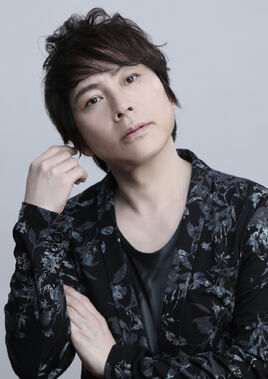
Few things in anime voice acting are as immediately recognizable as that smooth, low-register authority Okiayu brings to a character. Raised in Osaka after moving from Kitakyushu, Fukuoka, he grew up in a household already soaked in animation culture – his father had ties to the film industry and routinely brought home anime posters and cels, while his older sister, later a professional animator, listened to audio dramas with him as a child. That early immersion in performance left its mark. By his first year at Abeno High School, he had already set his sights on becoming a seiyuu.
The road in was not instant. Okiayu worked multiple part-time jobs to fund his training, eventually auditioning for the Aoni Juku Osaka school and earning a quick transfer to Aoni Production’s professional arm – the agency he has called home ever since. His first job was narrating a radio commercial for a prep school, and one of his early gigs had him voicing a remote-controlled robot wandering the grounds of Expo ’90. His anime debut followed in Dragon Quest as a supporting archer, and his first regular role came in Future GPX Cyber Formula.
The Rise Through Sports and Shōnen Action
The mid-1990s turned the industry’s attention firmly toward Okiayu. His portrayal of Hisashi Mitsui in Slam Dunk – the reformed delinquent whose basketball comeback arc remains one of the most emotionally charged in shōnen history – established his ability to carry complex, morally layered characters. Around the same time, Treize Khushrenada in Mobile Suit Gundam Wing gave him a role built entirely on aristocratic calm and political conviction, a character type he would return to repeatedly throughout his career.
Meisuke Nueno in Hell Teacher Nūbē became a personal milestone. Okiayu has said openly that this was the role he put the most of himself into – partly because his own age was close to the character’s, and partly because the energy of the show matched where he was in his career. When the series ended, he cried. That level of emotional investment defines how he approaches leading roles, even when the character projects nothing but composure.
Byakuya Kuchiki and the Bleach Legacy
Among all his credits, Byakuya Kuchiki from Bleach stands as the performance most associated with Okiayu’s name. The captain of Squad 6 is a character built on paradox – ice-cold on the surface, devastated underneath – and Okiayu spent years navigating that gap across hundreds of episodes, theatrical films, and eventually the Thousand-Year Blood War arc. The role required communicating grief, pride, and duty with almost no vocal warmth, which turns out to be an extraordinarily difficult task to sustain over a long run. He made it look effortless.
Zero, Alucard, and the Video Game Dimension
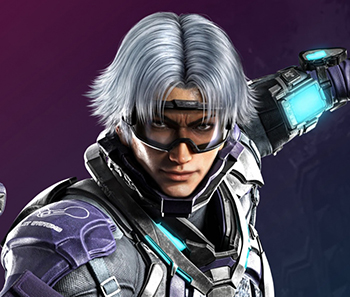
Starting in 1997 with Mega Man X4, Okiayu became the defining voice of Zero – the red android swordsman who carries most of the emotional weight in the Mega Man X series. The role continued through X5, X6, and numerous subsequent entries, cementing his presence in the action gaming canon. Alongside that, his work as Alucard in the Castlevania video games – and later as Trevor Belmont in the Japanese dub of the animated Castlevania series – gave him an unusual dual connection to the same gothic franchise. Lee Chaolan in Tekken added a suave antagonist to his gaming profile, a character whose polished manners barely conceal something far colder.
Kokushibo and the 17th Seiyuu Awards
Decades into his career, Okiayu earned his first major industry award recognition for Kokushibo in Demon Slayer: Kimetsu no Yaiba – the Upper Rank One demon and the series’ most technically terrifying swordsman. The Swordsmith Village Arc gave the character room to display a centuries-old grief buried under absolute martial discipline, and Okiayu’s performance landed him the Best Supporting Actor award at the 17th Seiyuu Awards in 2023, shared with Shuichi Ikeda. The role carried into the Infinity Castle film, expanding the character’s backstory on a theatrical scale.
Inheriting Roles and Carrying Forward a Legacy
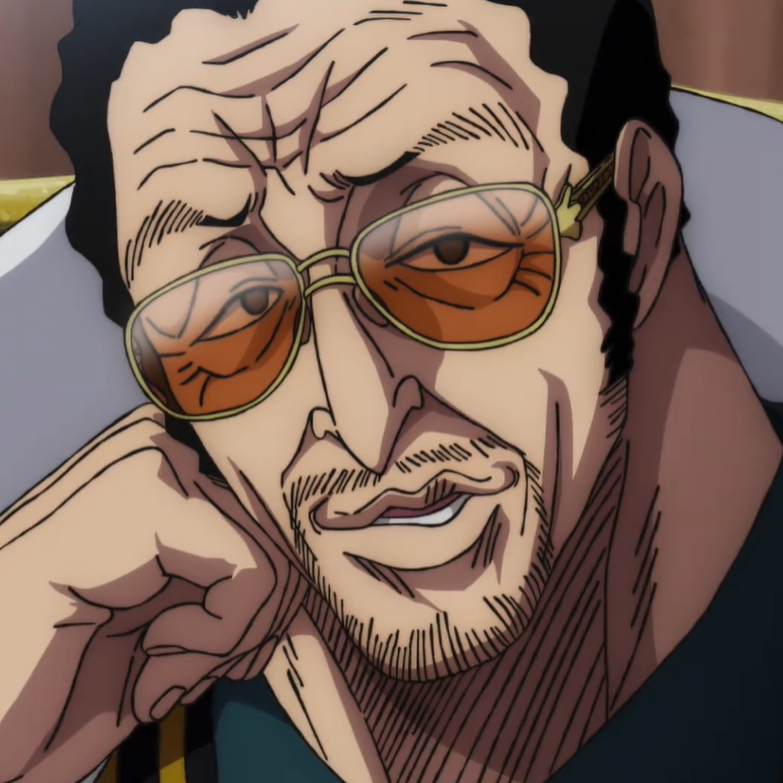
A notable thread running through Okiayu’s career is the number of roles he has taken over from seiyuu who passed away – among them Kaneto Shiozawa, Kazuyuki Sogabe, and Unshō Ishizuka. In 2019, he stepped into the role of Admiral Kizaru (Borsalino) in One Piece after Ishizuka’s death, maintaining the character’s famously unhurried menace without trying to imitate his predecessor’s exact delivery. That kind of professional stewardship – picking up a beloved role and making it his own without erasing what came before – speaks to the trust the industry places in him.
Stage Work, Singing, and the Broader Career
Voice work is only part of the picture. Since 2016, Okiayu has performed as a stage actor with the theater company Hero Hero Q Company, taking his craft into live performance. Earlier in his career, he was part of the Entertainment Music Unit from 1995 to 2000, releasing music as part of the group. He is also the official Japanese dubbing voice for several Western actors, including Scott Foley and Taylor Kitsch. His daughter, Minamo Nagasawa, has followed him into the seiyuu profession.
Most Known Roles of Ryōtarō Okiayu
- Byakuya Kuchiki – Bleach
- Treize Khushrenada – Mobile Suit Gundam Wing
- Zero – Mega Man X series
- Kokushibo – Demon Slayer: Kimetsu no Yaiba
- Kunimitsu Tezuka – The Prince of Tennis
- Hisashi Mitsui – Slam Dunk
- Meisuke Nueno – Hell Teacher Nūbē
- Alucard – Castlevania (video games)
- Lee Chaolan – Tekken series
- Shigure Sohma – Fruits Basket
- Toriko – Toriko
- Kizaru / Borsalino – One Piece
- Andrew Waltfeld – Mobile Suit Gundam SEED / SEED Destiny
- Dark – D.N.Angel
- Yuu Matsuura – Marmalade Boy
- Subaru Okiya – Detective Conan
- Hades – Record of Ragnarok
- White Rabbit in Devil May Cry
Ryōtarō Okiayu Voices
Video Games
Final Fantasy VII Rebirth (2024)
Tekken 8 (2024)
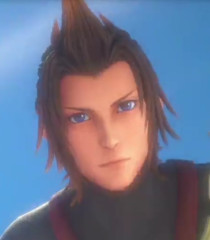
Kingdom Hearts III (2019)
TV Shows & Series
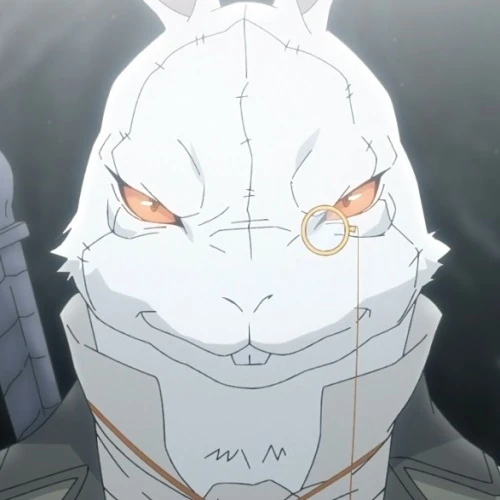
Devil May Cry (2025)
Fate/Zero (2011)
Movies
One Piece Film: Red (2022)