
Yuri Lowenthal

Yuri Lowenthal’s Journey from Ohio to the Forefront of Voice Acting
Few careers in voice acting cover as much ground as Yuri Lowenthal’s. From a childhood spent moving between Tennessee, Northern Virginia, and two years in Niger, Africa – where his father worked for the United States Agency for International Development – Lowenthal absorbed a world of languages, cultures, and stories before he ever set foot in a recording booth. That restlessness stayed with him. After graduating from The College of William & Mary with a degree in East Asian Studies, he lived in Japan, worked briefly with the Japanese government, sharpened his already-forming fluency in Japanese, and developed a deep relationship with anime long before it became mainstream in the West. New York came next, then Los Angeles, where the career finally took root.
Acting only grabbed him seriously in his senior year of high school – a drama class taken almost by chance. That late start never slowed him down. By 1995, Lowenthal had begun working professionally, and within a decade, his voice was attached to some of the most recognized characters in animation and gaming. He is fluent in Japanese, French, and German, a linguistic depth that gave him an edge in dubbing and shaped how he understood character motivation across cultural contexts. He also holds a certified practice in Wu Shu kung fu, a discipline that feeds directly into how he physically inhabits roles in the recording booth.
Sasuke Uchiha and the Anime Breakthrough
The role that first put Lowenthal on the map for a generation of fans was Sasuke Uchiha in the English dub of Naruto. When the series began airing in the United States, Sasuke occupied one of the most complicated emotional spaces in the cast – a prodigy burning with grief and ambition, often positioned against the title character rather than alongside him. Lowenthal had auditioned for multiple roles on the series, including Iruka, before landing the callback for Sasuke. His performance across Naruto and its sequel Naruto Shippuden ran for years, allowing him to trace the full arc of one of anime’s most debated characters – from promising young ninja to outright antagonist and back again.
The anime work expanded quickly from there. Suzaku Kururugi in Code Geass gave him a role built around political contradiction and tragic loyalty, airing on Adult Swim to a passionate following. Simon in Gurren Lagann, which ran on Toonami, demanded a completely different register – a timid boy who becomes the engine of a galaxy-scale rebellion. Each role leaned on different parts of his range, and collectively they established Lowenthal as one of the key voices of the mid-2000s dubbed anime boom in North America.
The Prince of Persia and the Pivot to Games
Lowenthal’s first significant video game credit – one he calls “a very lucky break” – was the Prince in Ubisoft’s Prince of Persia: The Sands of Time. The game became a landmark in its genre, and Lowenthal’s portrayal of the quick-witted, self-deprecating young prince set the tone for the series. He returned for Prince of Persia: The Two Thrones and Prince of Persia: The Forgotten Sands after being replaced in Warrior Within, a tonal outlier in the franchise that deliberately moved away from the original’s voice and personality.
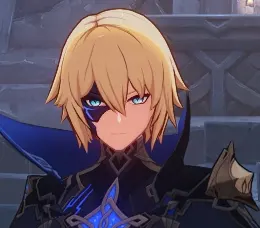
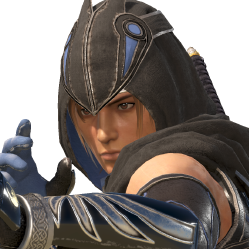
Other game credits in this period stacked up fast. He voiced the protagonist in Persona 3, Yosuke Hanamura in Persona 4, Hayate/Ein in Dead or Alive, Matt Miller in Saints Row: The Third and Saints Row IV, Marth in Fire Emblem, and Alucard in the Castlevania series. Dainsleif in Genshin Impact added a role with a global audience. Courier 6 in Fallout: New Vegas brought him into one of the most-discussed Western RPGs of its generation. The breadth of that list reflects how consistently casting directors reached for him across a decade-plus of gaming.
Peter Parker and the Spider-Man Series
Insomniac Games’ Marvel’s Spider-Man, released in 2018 for PlayStation 4, became the defining chapter of Lowenthal’s career in video games. The performance was not simply a matter of delivering lines for an action title. Insomniac built a story that centered on Peter Parker’s emotional life as much as his superhero identity – his relationship with Mary Jane Watson, his grief over Aunt May, his complicated dynamic with Otto Octavius. Lowenthal carried all of it, and the result earned him a BAFTA Games Award nomination for Best Performer.
The series continued with Marvel’s Spider-Man: Miles Morales, where his role shifted and deepened as Peter served as mentor to the new Spider-Man, and then Marvel’s Spider-Man 2 in 2023, which put both Peter and Miles at the center simultaneously. Across three games, Lowenthal built a version of Peter Parker that many players consider the most emotionally complete interpretation of the character in any medium outside of the comics themselves.
Ben Tennyson, Western Animation, and the Wider Career
Parallel to the anime and games work, Lowenthal voiced teenage Ben Tennyson in Ben 10: Alien Force and its sequels, taking over the character as he aged into adolescence. The role reached a massive audience through Cartoon Network and introduced him to a demographic separate from the anime crowd. He also voiced Superman in Legion of Super Heroes and Jinnosuke in the Samuel L. Jackson-led Afro Samurai feature.
Beyond performing, Lowenthal co-founded Monkey Kingdom Productions in 2004 with his wife, fellow voice actress Tara Platt – a company through which they have produced feature films and the live-action web series Shelf Life. Together they also co-authored Voice-Over Voice Actor: What It’s Like Behind the Mic, a book that became a practical resource for people looking to enter the profession. He gave a TEDx talk at UC San Diego alongside Platt on using story structure to navigate personal crisis. The reach of his career has never stayed confined to a single booth or format.
Yuri Lowenthal Voices
Video Games
Mega Man Star Force: Legacy Collection (2026)
World of Final Fantasy (2026)

DC: Dark Legion (2025)
Marvel Mystic Mayhem (2025)
Rusty Rabbit (2025)
The Legend of Heroes: Trails through Daybreak II (2025)
Xenoblade Chronicles X: Definitive Edition (2025)
Alone in the Dark (2024) (2024)
Call of Duty: Black Ops 6 (2024)
Final Fantasy VII Rebirth (2024)
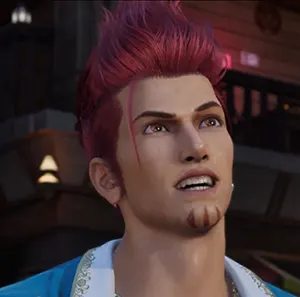
Marvel Rivals (2024)
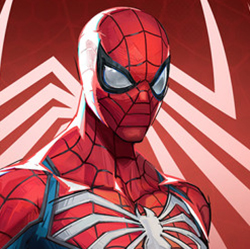
Persona 3 Reload (2024)
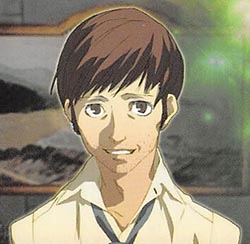
Cassette Beasts (2023)
Fire Emblem Engage (2023)
Homestead Arcana (2023)
Marvel’s Spider-Man 2 (2023)
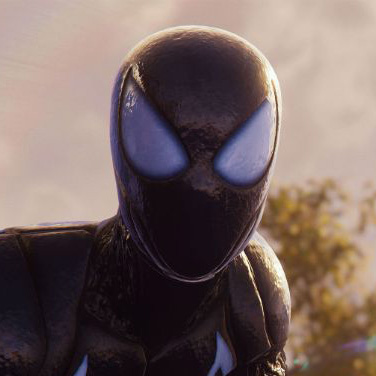
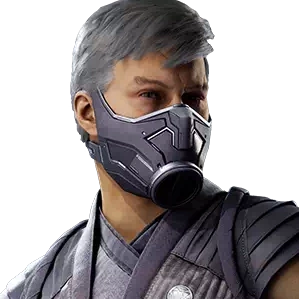
Mortal Kombat 1 (2023)

Naruto x Boruto Ultimate Ninja Storm Connections (2023)
Teenage Mutant Ninja Turtles: Splintered Fate (2023)
Bayonetta 3 (2022)
Marvel's Midnight Suns (2022)
Return to Monkey Island (2022)
Rune Factory 5 (2022)
We Are OFK (2022)
Cookie Run: Kingdom (2021)
Lost Judgment (2021)
Marvel Future Revolution (2021)
Nier Replicant ver.1.22474487139 (2021)
Psychonauts 2 (2021)
Bugsnax (2020)
Final Fantasy VII Remake (2020)
Genshin Impact (2020)
Persona 5: Royal (2020)
Rune Factory 4 Special (2020)
Spider-Man: Miles Morales (2020)
Catherine: Full Body (2019)
Dead or Alive 6 (2019)
Death Stranding (2019)

God Eater 3 (2019)
Marvel Ultimate Alliance 3: The Black Order (2019)
Remnant: From the Ashes (2019)
BlazBlue: Cross Tag Battle (2018)
Dissidia Final Fantasy NT (2018)
Dragalia Lost (2018)
LEGO DC Super-Villains (2018)
Marvel’s Spider-Man (2018)

Naruto to Boruto: Shinobi Striker (2018)
Persona 3: Dancing in Moonlight (2018)
Super Smash Bros. Ultimate (2018)
World of Final Fantasy: Maxima (2018)
.hack//G.U.: Last Recode (2017)
Fire Emblem Heroes (2017)
Fire Emblem Warriors (2017)
Minecraft: Story Mode Season Two (2017)
Final Fantasy Explorers (2016)
Fire Emblem: Fates (2016)
God Eater 2: Rage Burst (2016)
Hitman (2016)
Mighty No. 9 (2016)
Naruto Shippuden: Ultimate Ninja Storm 4 (2016)
Star Ocean: Integrity and Faithlessness (2016)
Titanfall 2 (2016)
Uncharted 4: A Thief's End (2016)
Code Name: S.T.E.A.M. (2015)
Fallout 4 (2015)
Lego Dimensions (2015)
Mad Max (2015)
Persona 4: Dancing All Night (2015)
Resident Evil: Revelations 2 (2015)
Saints Row: Gat Out of Hell (2015)
Shin Megami Tensei: Devil Survivor 2 - Record Breaker (2015)
The Order: 1886 (2015)
Xenoblade Chronicles X (2015)
Bayonetta 2 (2014)
BlazBlue: ChronoPhantasma (2014)
Diablo III: Reaper of Souls (2014)
Drakengard 3 (2014)
Game of Thrones (2014)
Guilty Gear Xrd: -SIGN- (2014)
Middle-earth: Shadow of Mordor (2014)
Mind Zero (2014)
Naruto Shippuden: Ultimate Ninja Storm Revolution (2014)
Persona 4 Arena: Ultimax (2014)
Persona Q: Shadow of the Labyrinth (2014)
Spider-Man Unlimited (2014)
Sunset Overdrive (2014)
Tenkai Knights: Brave Battle (2014)
The Amazing Spider-Man 2 (IOS) (2014)
The Evil Within (2014)
Anarchy Reigns (2013)
Ben 10: Omniverse 2 (2013)
Dragon's Crown (2013)
Dynasty Warriors 8 (2013)
Fire Emblem: Awakening (2013)
Lego Marvel Super Heroes (2013)
Naruto Shippuden: Ultimate Ninja Storm 3 (2013)
Phoenix Wright: Ace Attorney - Dual Destinies (2013)
Rune Factory 4 (2013)
Saints Row IV (2013)
Shin Megami Tensei: Devil Summoner - Soul Hackers (2013)
Sly Cooper: Thieves in Time (2013)
Teenage Mutant Ninja Turtles: Out of the Shadows (2013)
The Bureau: XCOM Declassified (2013)
The Wonderful 101 (2013)
Young Justice: Legacy (2013)
Ben 10: Omniverse (2012)
Dead or Alive 5 (2012)
Karateka (2012)
Lego Lord of the Rings (2012)
Naruto Shippuden: Ultimate Ninja Storm Generations (2012)
Persona 4: Arena (2012)
Persona 4: Golden (2012)
Professor Layton and the Miracle Mask (2012)
Resident Evil 6 (2012)
Silent Hill HD Collection (2012)
Soulcalibur V (2012)
Unchained Blades (2012)
Ben 10: Galactic Racing (2011)
Cartoon Network Punch Time Explosion (2011)
Cartoon Network Punch Time Explosion XL (2011)
Catherine (2011)
Dead or Alive: Dimensions (2011)
Dissidia 012 Final Fantasy (2011)
Dynasty Warriors 7 (2011)
Gods Eater Burst (2011)
Happy Feet Two (2011)
Marvel Super Hero Squad Online (2011)
Naruto Shippuden: Kizuna Drive (2011)
Naruto Shippuden: Ultimate Ninja Impact (2011)
Resistance 3 (2011)
Saints Row: The Third (2011)
Shadows of the Damned (2011)
The Lord of the Rings: War in the North (2011)
Uncharted 3: Drake's Deception (2011)
X-Men: Destiny (2011)
Bayonetta (2010)
Ben 10 Alien Force: The Rise of Hex (2010)
Ben 10 Ultimate Alien: Cosmic Destruction (2010)
Bioshock 2 (2010)
Castlevania: Harmony of Despair (2010)
Lunar: Silver Star Harmony (2010)
Medal of Honor (2010)
Metal Gear Solid: Peace Walker (2010)
Naruto Shippuden: Dragon Blade Chronicles (2010)
Naruto Shippuden: Ultimate Ninja Heroes 3 (2010)
Naruto Shippuden: Ultimate Ninja Storm 2 (2010)
No More Heroes 2: Desperate Struggle (2010)
Persona 3 Portable (2010)
Pinball FX 2 (2010)
Prince of Persia: The Forgotten Sands (2010)
Professor Layton and the Unwound Future (2010)
Shadow of Memories (PSP) (2010)
The Lord of the Rings: Aragorn's Quest (2010)
Trauma Team (2010)
Afro Samurai (2009)
Assassin's Creed II (2009)
Ben 10 Alien Force: Vilgax Attacks (2009)
Brutal Legend (2009)
Cartoon Network Universe: FusionFall (2009)
Cross Edge (2009)
Dissidia Final Fantasy (2009)
Dragonball Evolution (2009)
Dynasty Warriors Strikeforce (2009)
Magna Carta 2 (2009)
Mana Khemia 2: Fall of Alchemy (2009)
Naruto Shippuden: Clash of Ninja Revolution 3 (2009)
Naruto Shippuden: Legends: Akatsuki Rising (2009)
Naruto Shippuden: Ultimate Ninja 4 (2009)
Silent Hill: Shattered Memories (2009)
The Lord of the Rings: Conquest (2009)
Uncharted 2: Among Thieves (2009)
Valkyrie Profile: Covenant of the Plume (2009)
Ben 10: Alien Force (2008)
Castlevania: Judgment (2008)
Dynasty Warriors 6 (2008)
Final Fantasy IV (2008)
Guilty Gear 2: Overture (2008)
Naruto: Clash of Ninja Revolution 2 (2008)
Naruto: Ninja Destiny (2008)
Naruto: The Broken Bond (2008)
Naruto: Ultimate Ninja 3 (2008)
Naruto: Ultimate Ninja Heroes 2: The Phantom Fortress (2008)
Naruto: Ultimate Ninja Storm (2008)

Persona 4 (2008)
Saints Row 2 (2008)
Soulcalibur IV (2008)
Spider-Man: Web of Shadows (2008)
Star Ocean: First Departure (2008)
Time Hollow (2008)
Trauma Center: Under the Knife 2 (2008)
Warriors Orochi 2 (2008)
.hack//G.U. Vol. 2//Reminisce (2007)
.hack//G.U. Vol. 3//Redemption (2007)
Bladestorm: The Hundred Years' War (2007)
GrimGrimoire (2007)
Jeanne d'Arc (2007)
Luminous Arc (2007)
Naruto: Clash of Ninja Revolution (2007)
Naruto: Path of the Ninja (2007)
Naruto: Rise of a Ninja (2007)
Naruto: Ultimate Ninja 2 (2007)
Naruto: Ultimate Ninja Heroes (2007)
Naruto: Uzumaki Chronicles 2 (2007)
Odin Sphere (2007)
Persona 3 (2007)
Power Rangers Super Legends (2007)
Resident Evil: The Umbrella Chronicles (2007)
Rogue Galaxy (2007)
Soul Nomad and the World Eaters (2007)
Tales of the World: Radiant Mythology (2007)
Trauma Center: New Blood (2007)
Uncharted: Drake's Fortune (2007)
Warriors Orochi (2007)
Wild Arms 5 (2007)
.hack//G.U. Vol. 1//Rebirth (2006)
Baten Kaitos Origins (2006)
Final Fantasy XII (2006)
Naruto: Clash of Ninja (2006)
Naruto: Clash of Ninja 2 (2006)
Naruto: Ninja Council (2006)
Naruto: Ultimate Ninja (2006)
Naruto: Uzumaki Chronicles (2006)
Suikoden V (2006)
Tales of the Abyss (2006)
Trauma Center: Second Opinion (2006)
Valkyrie Profile: Lenneth (2006)
Wild Arms 4 (2006)
Xenosaga Episode III: Also Sprach Zarathustra (2006)
Dynasty Warriors 5 (2005)
Prince of Persia: The Two Thrones (2005)
Radiata Stories (2005)
Rave Master (2005)
Rave Master: Special Attack Force! (2005)
Romancing SaGa (2005)
Shin Megami Tensei: Digital Devil Saga (2005)
Shin Megami Tensei: Digital Devil Saga 2 (2005)
Prince of Persia: The Sands of Time (2003)
Castlevania: Symphony of the Night (1997)
Teenage Mutant Ninja Turtles: Empire City

TV Shows & Series
Cars: Lightning Racers (2027)
The Mighty Nein (2025)
Batman: Caped Crusader (2024)
Code Geass: Roze of the Recapture (2024)
Ishura (2024)
Onimusha (2023)
Bleach: Thousand-Year Blood War (2022)
Kotaro Lives Alone (2022)
Tiger & Bunny 2 (2022)
Arcane (2021)
DOTA: Dragon’s Blood (2021)
He-Man and the Masters of the Universe (2021) (2021)
Record of Ragnarok (2021)
Star Wars: The Bad Batch (2021)
The Ghost and Molly McGee (2021)
Jujutsu Kaisen (2020)
Marvel Future Avengers (2020)
Stillwater (2020)
DC Super Hero Girls (2019) (2019)
Love, Death & Robots (2019)
Victor and Valentino (2019)
Where's Waldo? (2019) (2019)
Boruto: Naruto Next Generations (2018)
FLCL: Progressive (2018)
Spy Kids: Mission Critical (2018)
Code Geass: Akito the Exiled (2017)
DuckTales (2017) (2017)
Spider-Man (2017) (2017)
Ben 10 (2016) (2016)
Bunnicula (2016)
Camp Camp (2016)
Little Big Awesome (2016)
Be Cool, Scooby-Doo! (2015)
DC Super Hero Girls (2015)
Durarara!! x2 (2015)
Marvel Disk Wars: The Avengers (2015)
Pig Goat Banana Cricket (2015)
Transformers: Robots In Disguise (2015) (2015)
Space Racers (2014)
Star Wars Rebels (2014)
TripTank (2014)
Avengers Assemble (2013)
Beware the Batman (2013)
Naruto and the Three Wishes (2013)
RWBY (2013)
Tenkai Knights (2013)
Turbo: F.A.S.T. (2013)
Ben 10: Omniverse (2012)
Persona 4: The Animation (2012)
Teenage Mutant Ninja Turtles (2012) (2012)
Tiger & Bunny (2012)
Wild Grinders (2012)
Ben 10/Generator Rex: Heroes United (2011)
Durarara!! (2011)
Ben 10: Ultimate Alien (2010)
Generator Rex (2010)
Mobile Suit Gundam Unicorn (2010)
Monster High (2010)
Nodame Cantabile (2010)
Regular Show (2010)
Young Justice (2010)
Huntik: Secrets & Seekers (2009)
Monster (2009)
Naruto: Shippuden (2009)
Wolverine and the X-Men (2009)
Batman: The Brave and the Bold (2008)
Ben 10: Alien Force (2008)
Blue Dragon (2008)
Blue Dragon: Trails of the 7 Shadows (2008)
Buso Renkin (2008)
Code Geass: Lelouch of the Rebellion (2008)
Code Geass: Lelouch of the Rebellion R2 (2008)
Gurren Lagann (2008)
Moribito: Guardian of the Spirit (2008)
Afro Samurai (2007)