Masaharu Satō
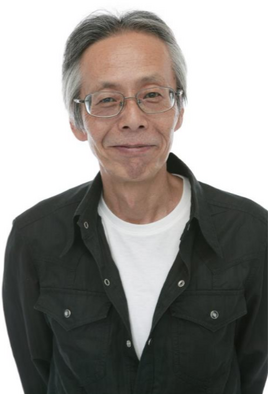
Masaharu Sato’s Half-Century of Unforgettable Characters
Stage first, microphone second – the path that shaped one of Japan’s most enduring seiyuu careers began in the theater districts of Tokyo. Growing up in Ota Ward, Masaharu Sato found his footing as a child actor in children’s theater before moving through junior high and high school drama clubs with enough skill to take the lead and place fifth in a metropolitan competition. At Komazawa University he continued performing, eventually dropping out to form his own theater group and train at the Aoyama Sugisaku Memorial Actor Training School. Work as a stage actor followed, sometimes alongside a part-time job, until his high school friend and fellow drama club member Akira Kamiya – already making a name in voice acting – invited him to give the microphone a try. That nudge changed the trajectory of an entire career.
Aoni Production became his professional home, and it remains so today. Founded in 1969 and one of Japan’s first agencies dedicated specifically to seiyuu, Aoni gave Sato a platform that would eventually reach across more than 200 anime series, video game franchises, dubbed films, and live-action television. The agency’s roster of heavy-hitting talent placed him in direct orbit with some of the era’s most prestigious productions, and Sato took full advantage.
Dragon Ball and the Role That Became a Legacy
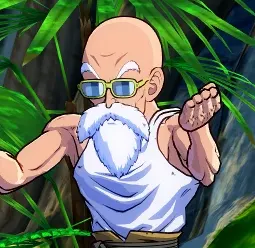
Ask any Dragon Ball fan to name the voice of Master Roshi, and the gravelly authority behind the Turtle Hermit belongs to Masaharu Sato. He stepped into the role starting with the 1998 film Wrath of the Dragon and carried it forward through Dragon Ball Z Kai, Dragon Ball Super, Dragon Ball Z: Battle of Gods, Dragon Ball FighterZ, Dragon Ball Z: Kakarot, and beyond. The original franchise voice – the late Kohei Miyauchi – held the role through most of Dragon Ball and Dragon Ball Z, but since Miyauchi’s passing, Sato has been the definitive Japanese voice of the hermit master. His read on the character threads a needle between comic perversion and genuine wisdom, making Roshi feel layered rather than one-note. Across decades of Dragon Ball media, that consistency has anchored the character in a way audiences immediately recognize.
Kinnikuman – The Villain Who Became a Fan Favorite
Before Dragon Ball extended his reach to international audiences, Sato was already staking out territory in the world of sports-action anime. In Kinnikuman he voiced an extraordinary range of characters – Buffaloman, Sunshine, Kamehame, Ramenman, and many others across the sprawling roster. Buffaloman in particular resonated with viewers: a fearsome heel who undergoes genuine character development, his arc became one of the anime’s most discussed moments. The performance required range beyond simple antagonism, and Sato delivered the complexity the role demanded. His work across the Kinnikuman franchise helped define what a villain’s voice could accomplish in shonen anime.
Metal Gear Solid and Gaming’s Most Memorable Transmission
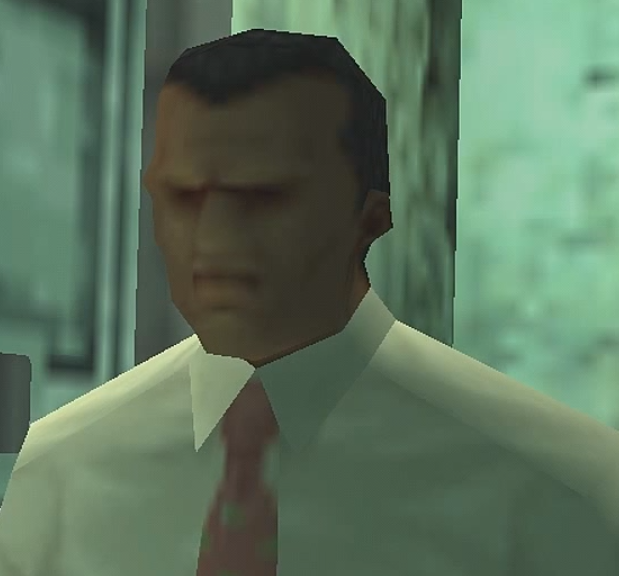
When Hideo Kojima’s Metal Gear Solid arrived in 1998, it set a new standard for cinematic storytelling in games. Sato voiced Donald Anderson – codenamed DARPA Chief – a key figure whose death scene was one of the game’s most shocking early moments. The Japanese performance matched the tension of the original script and held up through the subsequent Integral version. That a single supporting character from a single game would appear on nearly every career summary of this seiyuu speaks to how much impact the role packed into limited screen time. His voice work in the Metal Gear Solid franchise confirmed that Sato’s command extended naturally into interactive media.
Castlevania, Super Mario Amada, and the Breadth of a Catalog
Sato’s catalog rarely stays in one genre for long. In the Japanese version of Castlevania: Symphony of the Night, he voiced Death – plus the Master Librarian, the Ferryman, and the Sword Familiar, and narrated the opening – making him one of the most heard performers in that game without holding the lead. In the 1989 anime shorts Amada Anime Series: Super Mario, he voiced Bowser (as well as Larry Koopa and Iggy Koopa), marking an early connection to Nintendo’s flagship villain. He also voiced Gan Fall in One Piece, Gyokaku Kumoi in Bleach, Ivan Dreyar in Fairy Tale, and Goshinki in Inuyasha, while lending his voice to Zuo Ci in Dynasty Warriors 8 and appearing in the Pokemon anime as President Tamaranze and Oscar. His work at Osaka University of Arts, where he lectures in the Department of Broadcasting’s voice acting course, reflects a commitment to passing hard-won craft forward.
Most Known Roles of Masaharu Sato
- Master Roshi / Kame Sennin – Dragon Ball franchise (Wrath of the Dragon, Dragon Ball Z Kai, Dragon Ball Super, Dragon Ball Z: Battle of Gods, Dragon Ball FighterZ, Dragon Ball Z: Kakarot)
- Buffaloman – Kinnikuman
- Sunshine – Kinnikuman
- Donald Anderson (DARPA Chief) – Metal Gear Solid (1998)
- Death / Master Librarian / Ferryman / Narrator – Castlevania: Symphony of the Night
- Bowser / Larry Koopa / Iggy Koopa – Amada Anime Series: Super Mario (1989)
- Miyamoto Musashi – Yaiba
- Gan Fall – One Piece
- Gyokaku Kumoi – Bleach
- Ivan Dreyar – Fairy Tail
- Goshinki – Inuyasha
- Zuo Ci – Dynasty Warriors 8
- Jirokichi Suzuki – Detective Conan
- Dora-med III – The Doraemons
- Adah – Mushiking: King of the Beetles
- President Tamaranze / Oscar – Pokemon
Masaharu Satō Voices
Video Games
Dragon Ball FighterZ (2018)
Ninja Gaiden 3 (2012)
Onimusha: Dawn of Dreams (2006)
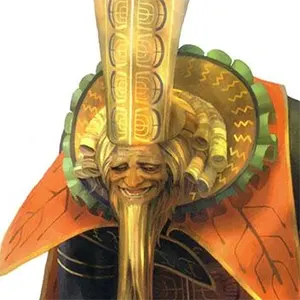
Metal Gear Solid (1998)