Cam Clarke

Cam Clarke’s Journey From Family Television to Voice Acting Legend
Few careers in American voice acting trace as unusual an arc as Cameron Arthur Clarke’s. Long before the recording booth, there was the television stage. Growing up as part of The King Family – a sprawling musical dynasty built on vaudeville, radio, and mid-century variety television – Clarke absorbed performance almost by osmosis. His mother was Alyce King, one of the famous King Sisters, and his father was B-movie actor Robert Clarke. Entertainment wasn’t a choice so much as a household condition.
His first voice acting roles came in the early 1980s, landing parts on Snorks and Robotech. Mentored by established voice actor Michael Bell, Clarke developed a range that would prove genuinely unusual: the same performer who could inhabit the earnest, teenage energy of a cartoon hero could flip registers entirely and deliver a cold, calculating villain with a mid-Atlantic accent. That duality defined much of what followed.
Leonardo, the Shell, and a Decade of Turtles
From 1987 to 1996, Clarke gave voice to Leonardo, the blue-masked, katana-wielding leader of the Teenage Mutant Ninja Turtles. The role came to define an era of Saturday morning animation. Clarke played Leonardo with a steady moral authority that anchored the team, while simultaneously voicing Rocksteady – one of the franchise’s primary antagonists – in a performance that required an entirely different vocal personality. Returning to the legacy decades later, Clarke reprised Leonardo for Teenage Mutant Ninja Turtles: Shredder’s Revenge in 2022 and its Dimension Shellshock expansion in 2023, cementing the connection between his voice and the character across generations of fans.
Liquid Snake and the Metal Gear Solid Legacy
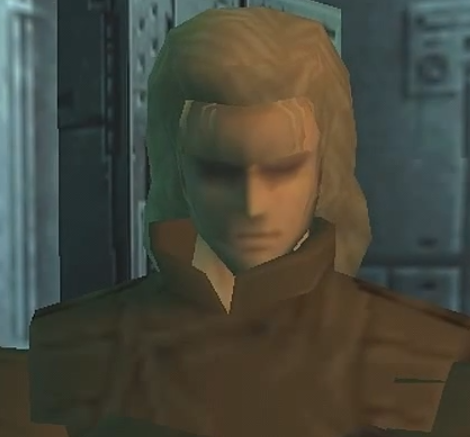
Metal Gear Solid arrived in 1998 and gave Clarke one of the most iconic villain roles in gaming history. Liquid Snake – the gold-haired antagonist with a faux-British accent and an elaborate grudge against his own genetic inheritance – became one of the most quoted characters of the PlayStation era. Clarke reprised the role across Metal Gear Solid 2: Sons of Liberty, Metal Gear Solid: The Twin Snakes, and later entries in the franchise. The voice work required a controlled theatrical quality, and Clarke delivered one of gaming’s more memorable antagonist performances in an era when voice direction in games was still finding its footing.
Akira, Simba, and the Art of the Dub
The 1989 Streamline Pictures English dub of Akira placed Clarke at the center of one of animation’s most significant international crossover moments. As Shotaro Kaneda – the motorcycle-riding leader at the heart of Katsuhiro Otomo’s dystopian epic – Clarke’s performance helped introduce Western audiences to Japanese animation at a scale that had rarely happened before. Separately, Clarke served as Matthew Broderick’s singing double for Simba in The Lion King II: Simba’s Pride, a role that added yet another dimension to an already wide-ranging resume.
RPG Credentials and Ongoing Work
Among longtime RPG fans, Clarke carries additional recognition for Ryudo in Grandia II, Kratos Aurion in Tales of Symphonia, and the male Blood Elf in World of Warcraft: The Burning Crusade. The breadth of the games catalog – ranging from Neverwinter Nights and Dragon Age: Origins to Final Fantasy XIII and The Callisto Protocol – reflects a career that adapted consistently across changing platforms and genres.
Recent years have kept Clarke working steadily. Credits through 2025 include Gensai Oguni in the English dub of Rurouni Kenshin, roles in the video game Rosewater, Weldon in The Thing: Remastered, and Stonedar in Masters of the Universe: Revolution. Outside the booth, Clarke has also brought his personal story to the stage through the autobiographical one-man play Stop Me If I Told You This, and released Inside Out, an album that reimagined classic songs through the lens of his own experience.
Cam Clarke Voices
Video Games
Metal Gear Solid (1998)
TV Shows & Series
Totally Spies! (2001)

Movies
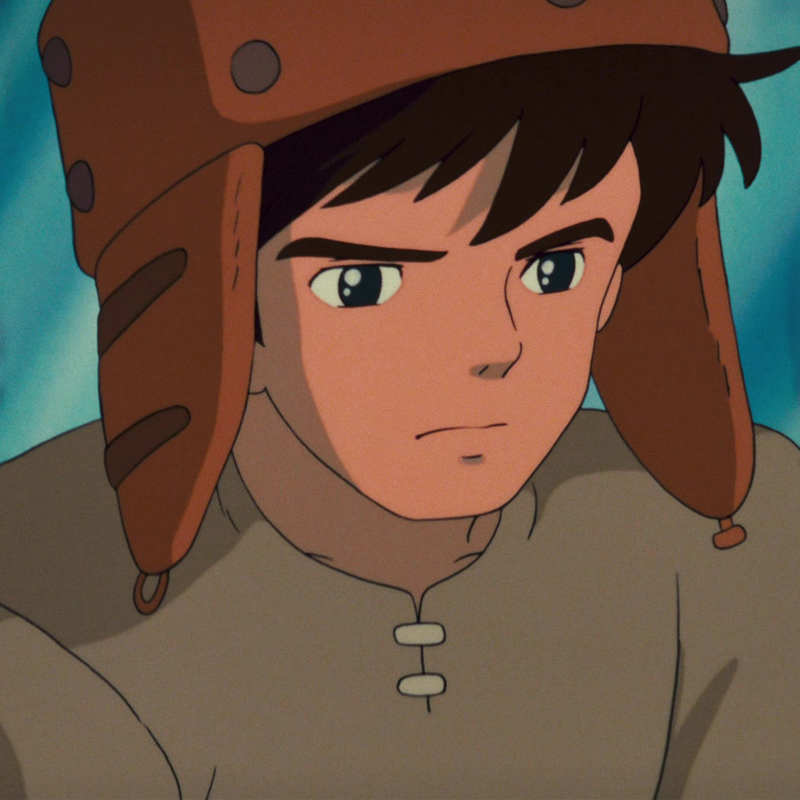
Nausicaä of the Valley of the Wind (1984)