
Kate Higgins

Kate Higgins and the Voice That Shaped a Generation of Anime Fans
Thirteen years. Five hundred episodes. One character. That tenure as Sakura Haruno across the entire English run of Naruto and Naruto: Shippuden alone would be enough to cement Kate Higgins as a fixture of American anime dubbing history. Yet the Charlottesville, Virginia-born actress, who grew up in Opelika, Alabama, came to voice acting sideways through jazz. A trained pianist and singer who studied under jazz musician Bob Richardson at Auburn University, Higgins graduated in 1991 and headed to Los Angeles, where she spent years performing at venues like the Beverly Hills Hotel before a Disney Channel voice gig in 1999 changed her trajectory permanently.
The path from bumper announcer to full-time voice actress happened gradually. An early credit as a singing cartoon squirrel gave way to anime dubbing work, and by 2005 Higgins had landed the role that would follow her career for over a decade. Sakura Haruno, the medical ninja whose emotional arc across Naruto’s original run and Shippuden demanded an enormous tonal range, pushed Higgins through hundreds of episodes of action, grief, and quiet resolve. She carried the character into Boruto: Naruto Next Generations, reprising Sakura Uchiha well into the 2020s.
Code Geass, Fate, and the Anime Roles That Defined a Decade
Higgins built her anime resume well beyond Sakura during those same years. C.C. in Code Geass: Lelouch of the Rebellion offered something entirely different – a detached, enigmatic immortal whose dry charisma required a voice that could project power through stillness. Her Saber in the original Fate/stay night dub put a different kind of resolve on display: regal, determined, quietly formidable. Both performances demonstrated a range that studio casting directors clearly noticed. Talho Yuki in Eureka Seven, Nanao Ise and Retsu Unohana across multiple arcs of Bleach (reprised in Bleach: Thousand-Year Blood War), and Ami Mizuno in the Viz Media re-dub of Sailor Moon from 2014 onward rounded out an anime catalogue that spanned emotional registers from bookish warmth to commanding authority.
Pauline, Purah, and a Video Game Career That Keeps Growing
Gaming opened a second major lane. The casting of Higgins as Pauline in Super Mario Odyssey (2017) came with an unexpected bonus: she also performed the game’s breakout theme “Jump Up, Super Star!” in character, turning a voice role into an actual pop moment. Pauline followed her into Mario Tennis Aces, Mario Kart Tour, Mario Strikers: Battle League, Super Mario Party Jamboree, Mario Kart World (2025), and Mario Tennis Fever (2026), making her the defining voice of a character Nintendo brought back from the original Donkey Kong era into modern stardom.
Her work as Purah across Hyrule Warriors: Age of Calamity and The Legend of Zelda: Tears of the Kingdom showed the same quality – a character with eccentric, high-pitched energy that Higgins grounded in something genuinely playful rather than shrill. The role connected especially with Zelda fans who found Purah’s researcher persona among the most memorable presences in the Breath of the Wild era. More recently, Higgins joined Marvel Rivals (2024) as Scarlet Witch and reprised the character in Marvel Mystic Mayhem (2025), adding a superhero dimension to a portfolio already spanning fantasy, action, and Nintendo-scaled charm.
Disney Princess, Monster High, and the Saturday Morning Circuit
A significant portion of Higgins’s work runs through children’s animation. She became the voice of Princess Aurora in 2010, stepping into a role that originated with Sleeping Beauty and carrying it through Sofia the First, Ralph Breaks the Internet (2018), and the 2025 direct-to-video release LEGO Disney Princess: Villains Unite. Frankie Stein in Monster High and Briar Beauty in Ever After High gave her a foothold in the Mattel animated universe. Barbie in Barbie: Life in the Dreamhouse added yet another franchise anchor. The throughline across all of it is an ability to bring distinct personality to characters who, in lesser hands, could easily blur together.
Alongside everything else, Higgins has maintained a parallel life as a jazz musician. She released the album The Tide Is Low in 2002 and a follow-up, Stealing Freedom, later on. Her band, Upper Structure, continued performing long after her voice acting career took over. The two lives, music and character work, have never been entirely separate for her. Auburn gave her the tools for both.
Kate Higgins Voices
Video Games
Marvel Rivals (2024)

Devil May Cry 5 (2020)
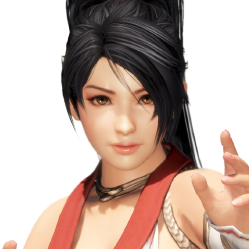
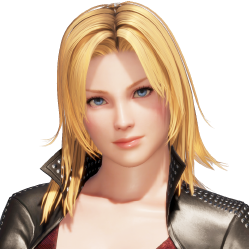
Dead or Alive 6 (2019)
Ninja Gaiden 3 (2012)