Ghost in the Shell (video game)
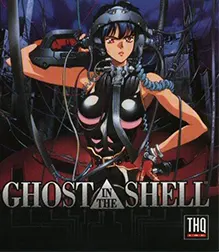
Few anime worlds feel as cold, stylish, and strangely human as Ghost in the Shell. The 1997 PlayStation game takes that same cyberpunk mood and turns it into a fast, mechanical shooter, putting players inside a Fuchikoma during a fresh Section 9 operation rather than simply retelling the film. It also has a voice cast worth talking about, especially if you love tracking down performers across anime and games. The Ghost in the Shell voice actors for the game include a separate Japanese cast from the movie, while the English version pulls in several performers tied to the wider dub scene of the era. That split gives the game its own identity, and it makes the Ghost in the Shell cast a fun one to revisit today.
Motoko Kusanagi Character Voiced By in Ghost in the Shell
Major Motoko Kusanagi is still the cool center of the storm, a leader who can sound detached one second and razor sharp the next. In the 1997 game’s Japanese version, she is voiced by Hiromi Tsuru, while broader franchise listings note Mimi Woods as the English voice for the first film and 1997 game.
That matters because Motoko’s voice has to sell more than authority. She is the philosophical pulse of Ghost in the Shell, the character who makes all the wires and weapons feel tied to real questions about identity and consciousness. When fans search for the Motoko Kusanagi voice actor in this era of the franchise, the game stands out because it uses a different Japanese performer from the 1995 film, giving the character a slightly different edge.
Batou Character Voiced By in Ghost in the Shell
Batou brings muscle, sarcasm, and just enough warmth to stop Section 9 from feeling too machine-like. The game credits Shinji Ogawa as Batou in Japanese, while Richard Epcar as Batou in the English version.
If you know anime dubs, Richard Epcar is a familiar name with a long career in games and animation, which makes his presence in the Ghost in the Shell cast especially fitting. Batou always works best when his voice sounds tough without becoming one-note, and that balance helps him remain one of the franchise’s most loved characters.
Togusa Character Voiced By in Ghost in the Shell
Togusa is often the most grounded member of the team, the one who still feels closest to ordinary human instincts in a world full of cybernetic upgrades. In the Japanese game cast he is voiced by Hirotaka Suzuoki, Christopher Joyce is the English version.
That contrast is a big part of why Togusa matters. He gives Ghost in the Shell characters a human anchor, so his performance cannot be flat or overly stoic. Franchise records also connect Christopher Joyce with the character in both the first film dub and the 1997 game, which gives English-language fans a nice bit of continuity.
Chief Aramaki Character Voiced By in Ghost in the Shell
Chief Aramaki does not need flashy scenes to dominate a room. He is the strategist, the watcher, and the man who makes impossible operations sound like routine paperwork. In Japanese, the game casts Soichi Ito as Aramaki, while the English version lists William Frederick Knight in the role.
Aramaki’s voice has to project calm control, because the character works best when he sounds like he already knows three moves ahead. That steady delivery helps sell Section 9 as a serious intelligence unit rather than just another action squad, and it gives the Ghost in the Shell voice actors lineup more texture than people sometimes expect from a late 1990s adaptation.
Fuchikoma Character Voiced By in Ghost in the Shell
The Fuchikoma is where the game really finds its own personality. Since the player controls one of these agile spider tanks, its voice and presence shape the whole experience, and the Japanese version credits Katsue Miwa with voicing the Fuchikoma. Julie Maddalena as the English voice.
That is a smart contrast at the heart of the game. The machines look playful, but they operate inside a hard-edged world of military tech and political violence. Julie Maddalena is especially interesting here because later fan discussions and interviews often connect her with Fuchikoma and Tachikoma performances across releases, making her voice a memorable part of the franchise for many English-speaking fans.
Why Voice Acting Makes Ghost in the Shell Special
A lot of licensed games fade because they borrow a setting without capturing its tone. Ghost in the Shell avoids that problem by giving its characters and support cast voices that match the series’ mix of intelligence, tension, and machine-age cool, while the Japanese and English casts each create slightly different flavors of the same world.
That is why the Ghost in the Shell voice actors are worth remembering instead of treating them like a footnote. Even with limited dialogue compared with the anime, the performances help the PlayStation game feel like a real branch of the franchise rather than a simple tie-in.
If you have not played it yet, this old PlayStation oddity is still worth a look, especially if you enjoy tracing how great performances shape a cult classic. For fans of cyberpunk action and anime history, the Ghost in the Shell cast gives the game an identity all its own.